


Regardless Of Monopolar RF vs. Bipolar RF: How Radiofrequency Tightens Skin
I know it can feel confusing when terms like “frequency” and “impedance” pop up. Here’s the simple version:
Electric Current → Heat → Collagen Boost
- RF sends a mild electrical current into your skin.
- Your tissue’s natural resistance converts that to heat.
- Heat triggers immediate collagen tightening and a longer-term rebuild.
Key Parameters
- Frequency: Lower numbers (like 0.8 MHz) go deeper; higher ones (2.45 MHz) stay more superficial.
- Power: More watts mean stronger heating, but also more careful control.
- Impedance: It’s just your skin’s resistance. Higher impedance, think fatty tissue, means more heat.
Safety First
- Impedance Monitoring: Modern gadgets watch resistance in real time to avoid hot spots.
- Cooling Systems: Many devices use built-in cooling or automatic shut-offs above a set temperature.
- Grounding Pads (Monopolar Units): These keep the circuit safe and prevent burns.
“RF technology employs electromagnetic waves to create heat in the deep layers of the skin, which in turn stimulates collagen and elastin production.”
So whether you’re curious about a quick squeeze-in at the clinic or an evening session with your NEWA Classic Skin Care System or FAQ 102, you can feel confident.
You now know how RF really works, and why safety features matter.
Monopolar RF Technology
Let’s talk about Monopolar Radiofrequency, which you’ll almost always find in clinics rather than in your bathroom cabinet.
Imagine a single power source – the active electrode – sending energy deep into your skin, while a distant return pad on your body completes the circuit.
- Principle: One active electrode up top, plus a grounding pad somewhere else on you, make the current travel through a big chunk of tissue.
- Energy distribution: Think of it like a warm bath soaking every layer – from the surface all the way down to the deep dermis and subcutaneous fat.
- Depth of penetration: We’re talking several centimeters, enough to hit the SMAS layer that plastic surgeons target.
- Pros:
- Uniform, deep heating that can firm up both skin and fat.
- Great for significant tightening and contouring in a single session.
- Cons:
- You need that return pad, so it’s not practical for a quick DIY treatment.
- Less precise depth control, heat spreads everywhere, not just where you want it.
“Monopolar RF offers the deepest penetration among RF modalities, effectively reaching dermal and subdermal layers for comprehensive collagen remodeling.”
Because of the return pad and the power required, monopolar RF is almost always a professional-only treatment.
It’s not something you’d see built into a NEWA Classic Skin Care System or FAQ 102, which are designed for home comfort.
Bipolar RF Technology
Now, let’s shift to bipolar RF, the friendlier cousin that you can actually use at home.
Picture two electrodes side by side on a wand – current zips just between those points, so the heat stays close to the skin’s surface.
- Principle: Two closely spaced electrodes in your handheld device make a tight circuit right under the tip.
- Energy distribution: Targeted warmth in the mid-dermis, like a cozy heating pad for your collagen.
- Depth of penetration: Usually 1–3 mm, perfect for smoothing fine lines and giving your skin a gentle lift.
- Pros:
- Precise, comfortable treatment, you’re not frying deeper layers.
- Small applicator means easy DIY sessions with minimal fuss.
- Cons:
- Can’t reach those deeper tissue levels, so it’s not for severe sagging.
- You might need more consistant sessions to see big changes.
“Bipolar RF treatments are generally well-tolerated and often described as pain-free, stimulating collagen regeneration in superficial dermal layers.”
Devices like the NEWA Classic Skin Care System and FAQ 102 use variations of bipolar RF (sometimes called multipolar RF) because they strike that sweet spot – safe, convenient, and still effective for most of us at home.
Monopolar RF vs. Bipolar RF: Which Tech To Choose?
When you’re choosing between Monopolar Radiofrequency services or bipolar RF (or its multipolar at-home cousins like the NEWA Classic Skin Care System and FAQ 102), it boils down to depth versus convenience:
- Monopolar RF is your go-to for real, deep firming and contouring, but only under a pro’s care.
- Bipolar/Multipolar RF shines for smoothing fine lines and everyday maintenance, you can even do it in your pajamas.
| Aspect | Monopolar RF | Bipolar/Multipolar RF (Home) |
|---|---|---|
| Treatment Goals | Deep laxity, SMAS-level tightening | Fine lines, surface texture, mild firmness |
| Efficacy Metrics | Significant collagen & density gains at depth | Dermal collagen boost, improved elasticity |
| Safety | Clinic-only, grounding pad, pro monitoring | Built-in sensors, auto shut-off, very gentle |
| Practicality | Multiple office visits, higher per-session cost | 4–10 min sessions at home, one-time device purchase |
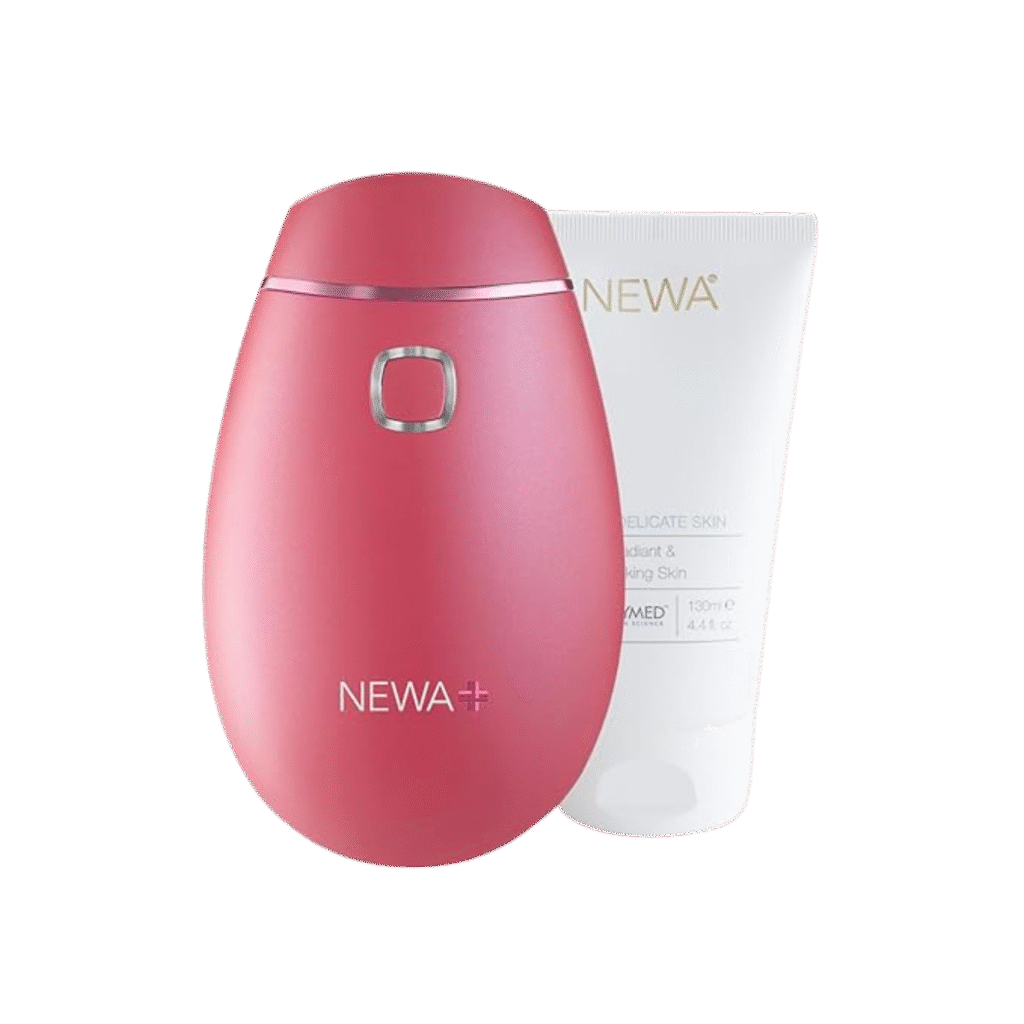
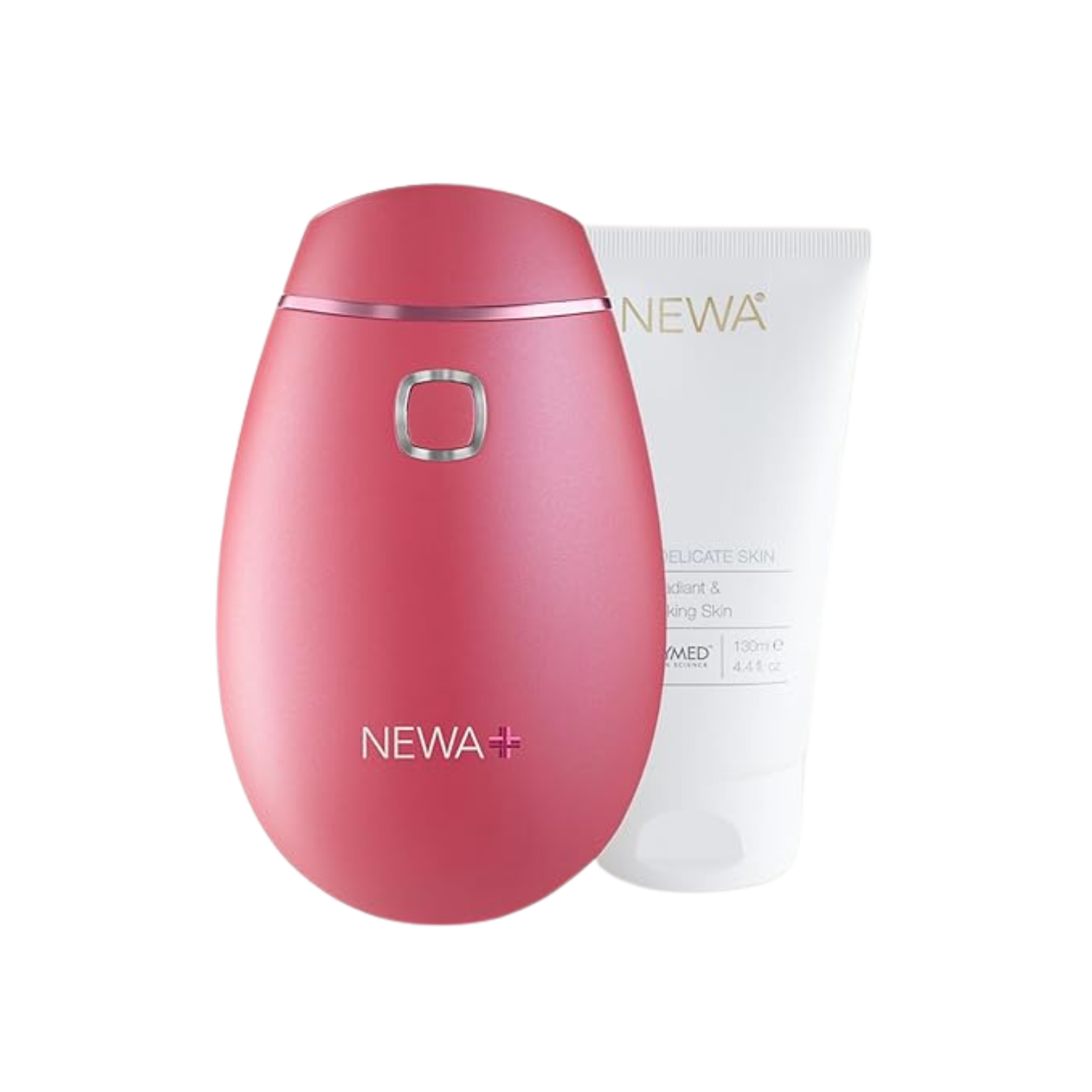
NEWA Classic Skin Care System
Excited to know about the NEWA Classic Skin Care System?, a popular bipolar RF (sometimes called multipolar) gadget you can actually use at home.
Think of it as your personal mini spa, designed to smooth fine lines and boost firmness without a trip to the clinic.
“In a 12-week study, 91.93 percent of patients achieved at least a one-point reduction on the Fitzpatrick Wrinkle Severity Scale by week 4.”
Type & Specs
- Electrode configuration: Three pairs of bipolar electrodes delivering alternating currents for even coverage.
- Frequency: Operates at around 1 MHz for balanced penetration.
- Power settings: Two levels (Low = 1, High = 2) up to 10 W.
- Applicator design: Six-electrode tip with built-in temperature sensor that pauses if skin exceeds 42 °C. Integrated motion sensor ensures you’re always moving.
Treatment Protocol
- Session length: 4 minutes per facial zone (about 70 minutes total).
- Recommended intervals: Three times a week for the first month, then twice a week for maintenance.
- Pain management: Most users report a pleasant warmth. If it ever feels too hot, just slow your motion or switch to Level 1.
Case Studies & User Outcomes
- Wrinkle reduction: Significant improvement in marionette lines, texture, and tone at weeks 4, 8, and 12.
- Satisfaction scores: 95 percent of users saw at least a 20 percent wrinkle reduction; over half noted a 50 percent or more decrease.
- Downtime & side effects: Only mild redness lasting under 15 minutes. No burns, scarring, or serious events reported.
Pretty neat, right? The NEWA Classic Skin Care System really shines for gentle, consistent at-home tightening.
FAQ 102
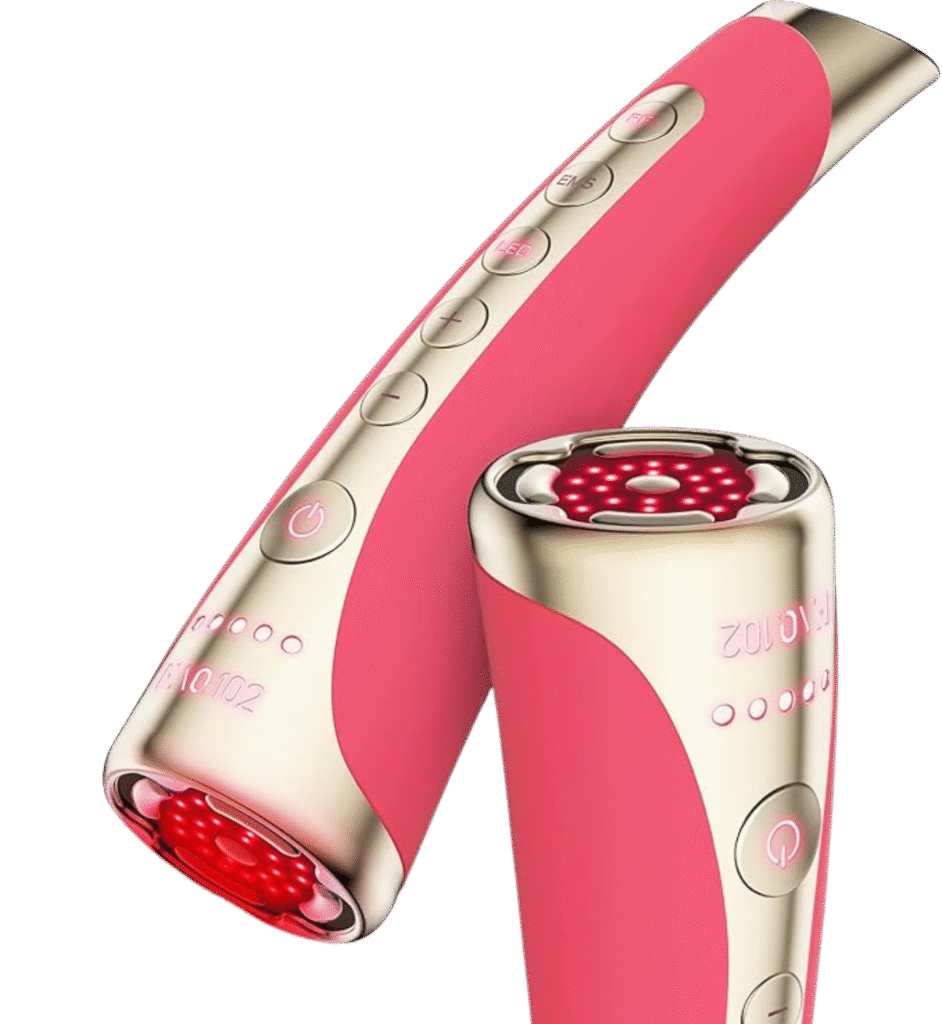
Now let’s turn to the FAQ 102, a premium multipolar RF tool that brings clinic-level power into your living room. It combines Power-RF heating with EMS-Pro, LED light therapy, and T-Sonic massage for a full-spectrum approach.
“One hundred percent of users felt their skin looked and felt firmer from the very first use.”
Type & Specs
- Electrode configuration: Multiple RF poles cycling power for deeper yet controlled heating.
- Impedance feedback: Anti-Shock System™ continuously scans and adjusts currents, so you never jump or burn.
- Power range: User-selectable intensities, with “Pro” modes unlocked via app training.
- Safety features: Built-in shut-offs, guided training videos, and optional cooling pauses.
Treatment Protocol
- At-home workflow: Basic mode 2–3 times weekly for 8 weeks; Pro mode once weekly with monthly maintenance.
- Session style: Glide in small circles with RF, then switch to straight lifts with EMS. Use the FAQ™ P1 primer for smooth gliding.
Case Studies & User Outcomes
- Tightening metrics: Noticeable firmness in just 2 weeks; 100 percent reported stronger, tighter skin.
- Contour results: 97 percent saw more defined cheekbones; all users noted a sharper jawline.
- Comfort & downtime: Deep warmth without surface burning. No significant side effects reported.
If you’re after more intensive tightening and facial sculpting, the FAQ 102 might be your match. Which device feels more like you
Which Spotlight Device to Choose?
NEWA Classic Skin Care System
When it comes to picking your at-home RF hero, here’s why the NEWA Classic Skin Care System might be just right for you.
“Ninety-five percent of subjects noted at least a 20% reduction in their wrinkles after 12 weeks of NEWA treatments.”
- Best for:
- Superficial smoothing of fine lines and mild to moderate textural irregularities
- Convenient home use with minimal discomfort, no need for a clinic visit
- Low downtime, so you can slot in sessions between work or errands
- Ideal Candidate Profile:
- You’re spotting those first whispers of aging, like fine wrinkles around your eyes or mouth
- You have Fitzpatrick skin types I–IV and want gentle dermal tightening
- You’re budget-conscious and want a reliable at-home tool rather than expensive in-office treatments
If you’re leaning toward a gentle, consistent boost without the fuss of appointments, the NEWA Classic Skin Care System stands out among bipolar RF and multipolar devices for at-home care.
FAQ 102 RF System (Multipolar)
Thinking of a device that bridges the gap between gentle home gadgets and full-on clinic machines? The FAQ 102 comes pretty close, but with a few home-use safeguards.
“One hundred percent of users felt their skin looked and felt firmer from the very first use.”
- Best for:
- Deeper tightening and contouring of subcutaneous tissue, far beyond basic bipolar but not quite SMAS-deep like true monopolar systems
- A professional-style treatment at home when you want more aggressive volumetric heating
- Users aiming for a noticeable lift, firmer jawline or neck definition, thanks to its multi-pole design
- Ideal Candidate Profile:
- You’re dealing with moderate to severe laxity in your lower face or neck and want more oomph than simple surface smoothing
- All skin types, especially if you need SMAS-level remodeling, though remember it won’t reach as deep as a clinical monopolar device
- You’re comfortable investing more per session and following the app-guided training to access its Pro intensities
Quick Reality Check: While FAQ 102 delivers an intense, clinic-inspired warmth and outperforms basic bipolar RF, it still limits its depth for safety.
If you need true deep-tissue remodeling, like fat plane heating or SMAS lifting, a professional monopolar RF session remains unmatched.
Quick Pick Guide
What’s Your Main Goal?
- Fine Lines & Texture → NEWA Classic Skin Care System
- Target Areas: Crow’s-feet, laugh lines, forehead wrinkles, and uneven texture
- How It Works: Gentle bipolar/multipolar RF warms the upper dermis to boost collagen just under the surface
- Timeline to Notice Results: Many users see subtle smoothing by week 4 and clear reduction in fine lines by week 8
- Substantial Laxity & Contour → FAQ 102
- Target Areas: Jawline, jowls, neck laxity, and deeper folds
- How It Works: Powerful multipolar RF heats deeper dermal and subdermal layers for volumetric tightening and lift
- Timeline to Notice Results: Immediate “firmer” feel from session one, with progressive contour improvements over 6–8 weeks
Where and How Comfortable Do You Want to Be?
- Quiet Night In & Low Discomfort → NEWA Classic Skin Care System
- Sensation: A gentle, pleasant warmth—think cozy facial massage
- Ease of Use: No grounding pads or clinic trips; simply glide over each zone with the built-in motion and temperature sensors doing the work
- Post-Treatment: Zero downtime; you can apply makeup or head to bed right away
- Pro-Style Intensity at Home → FAQ 102
- Sensation: A deeper, more intense heat that mimics in-office treatments, expect a firmer “tug” as collagen fibers contract
- Setup: Handheld wand with multiple electrodes and an app-guided “Anti-Shock System™” to keep you safe while you push the power
- Post-Treatment: Mild redness possible for up to an hour, but no real downtime, just rinse off primer and you’re set
What’s Your Timeline?
- Fewer Sessions, Faster Impact → FAQ 102
- Intensity & Interval: One “Pro” session per week for the first 8 weeks, then 1–2 monthly maintenance treatments
- Time Per Session: ~10–15 minutes
- Commitment: About 8 initial sessions over two months
- Expected Feel: Clinic-style warmth and lift from week 1 onward
- Gradual Improvement, Flexible Schedule → NEWA RF
- Frequency: 3 times/week for the first 4 weeks, then 2 times/week for the next 8 weeks
- Time Per Session: 4 minutes per facial zone (60–70 minutes total)
- Commitment: Up to 36 sessions over 12 weeks, then twice-weekly maintenance
- Expected Feel: Gentle warming, with visible smoothing by week 4
CONCLUSION
we’ve covered a lot of ground on Monopolar RF vs. Bipolar RF, from how RF actually tightens your skin to which gadgets work best at home or in the clinic. Here’s the cliff notes version:
- Monopolar Radiofrequency is the deep-dive powerhouse you’ll find in professional settings. It heats several centimeters down to remodel collagen, tighten muscle layers, and even contour fat. It’s impressive but not practical for at-home use.
- Bipolar RF and multipolar RF bring safety and convenience to your bathroom countertop. They deliver targeted heat in the upper dermis, perfect for smoothing fine lines and boosting texture without downtime.
- The NEWA Classic Skin Care System shines for gentle, gradual improvement, ideal if your main concern is early wrinkles, you want minimal discomfort, and you’d rather skip clinic appointments.
- The FAQ 102 steps it up with pro-style intensity: deeper tightening, noticeable lift around the jaw and neck, and multi-technology support via EMS and LED. It’s great if you crave stronger contouring at home.
- Our little decision guide helps you pick based on your goals, comfort level, and timeline, whether you want quick impact with fewer sessions (FAQ 102) or steady smoothing over many short treatments (NEWA).
At the end of the day, both devices harness the magic of RF to kickstart collagen and elastin. It’s all about matching your skin needs, schedule, and comfort zone.
Check out our next piece: “Monopolar vs Bipolar RF for Every Decade: Face, Neck, Body.”
It’s your decade-by-decade roadmap to smarter, more confident treatment choices, tailored to what your skin really needs, when it needs it.
FAQ
Can Monopolar RF Be Used on Facial Areas?
Yes, monopolar RF can be used on facial areas, with FDA-approved devices like the Thermacool system designed for wrinkle treatment. However, precautions are essential:
- Avoid Use: On patients with implantable devices, collagen vascular diseases, or undergoing radioactive treatment.
- Pain Management: Topical anesthetics can reduce discomfort from deep penetration.
- Tailored Settings: Lower energy levels across multiple sessions can optimize collagen remodeling and improve skin elasticity.
How Does Bipolar RF Perform on Thicker Skin Areas?
Bipolar RF is effective for improving skin laxity and cellulite on areas like thighs. For instance, a study using the Endymed PRO system reported:
- Results: Average circumference reductions of 2.3 cm (abdomen) and 2.2 cm (thighs) after six sessions.
- Comfort: Treatments are generally pain-free.
Combining bipolar RF with technologies like:
- ELOS: Uses light energy to preheat tissues, aiding deeper RF penetration.
- FACES Technology: Adds vacuum suction to maximize penetration for better results.
Which RF Technology Is More Effective?
Effectiveness depends on:
- Skin concern severity, type, and treatment parameters.
- Monopolar RF: Better for deeper dermal tissues.
- Bipolar RF: Ideal for less painful, surface-level tightening.